Expanding Long-Range Capabilities: U.S. and France Develop Advanced Artillery Systems

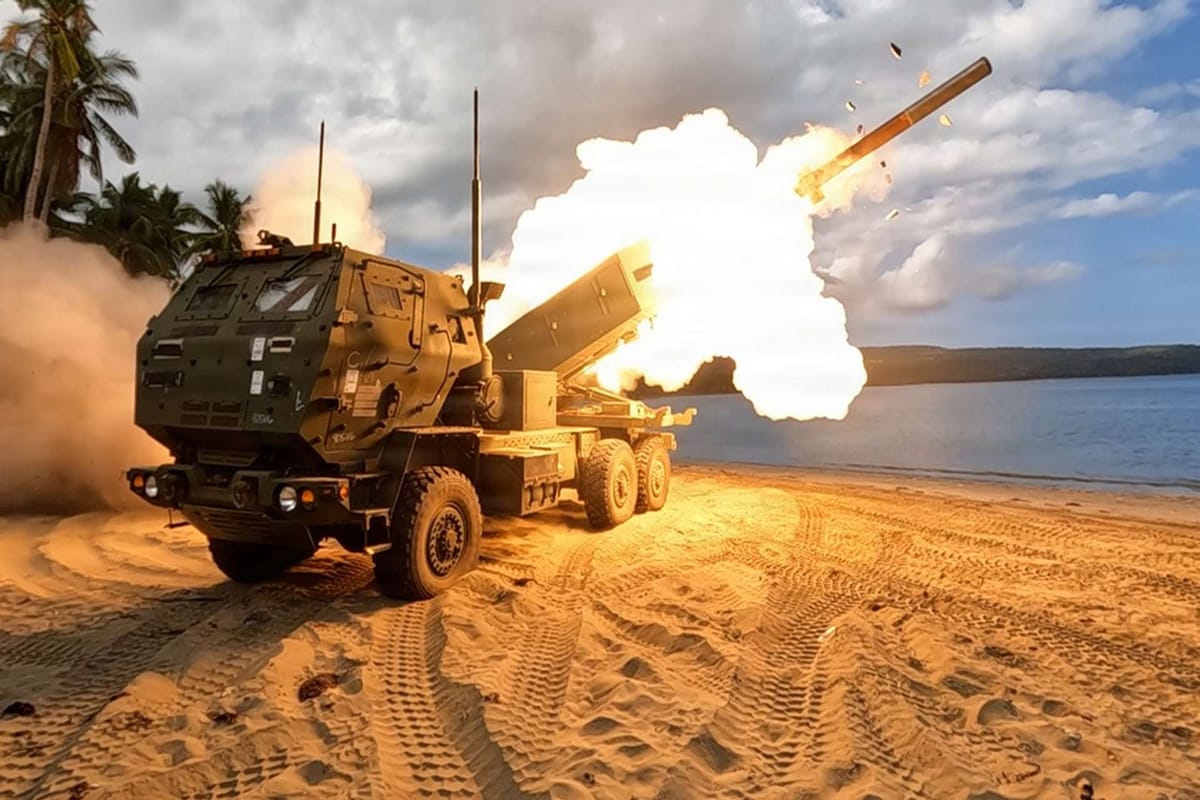
The global landscape of long-range artillery capabilities is evolving as the United States and France ramp up their respective production of advanced missile systems. A recent $1.13 billion contract awarded by the U.S. is set to bolster the production of M142 High Mobility Artillery Rocket Systems (HIMARS), while France has successfully tested its THUNDART rocket, aiming to establish a sovereign alternative for long-range strikes.
What happened
The U.S. Department of Defense has initiated a significant expansion of HIMARS production, which is crucial for enhancing long-range precision strike capabilities for both the Army and allied forces. This $1.13 billion contract underscores the ongoing commitment to modernize and increase the firepower available to U.S. military assets and allied partners.
Simultaneously, France has taken a notable step in its defense strategy by successfully firing the THUNDART rocket, which is part of its initiative to create an independent long-range artillery system with a range of 150 kilometers. This development is aimed at ensuring that France can maintain its operational autonomy in future conflicts.
The strategic calculus
The implications of these developments are multifaceted:
- Enhanced capabilities: The U.S. expansion of HIMARS will provide increased artillery support and precision strike capabilities, significantly impacting battlefield dynamics.
- Sovereignty in defense: France's THUNDART rocket initiative highlights a strategic shift towards greater self-reliance in military capabilities, reducing dependence on external systems.
- Allied interoperability: The HIMARS system's expansion is not only for U.S. forces but also aims to improve coordination and operational effectiveness among allied nations.
This raises the question of how these advancements will influence the balance of power in Europe and beyond. With increased production and testing of advanced artillery systems, both nations are positioning themselves to better respond to potential threats and enhance their deterrent capabilities.
The bigger picture
As both the U.S. and France advance their long-range artillery projects, defense analysts are closely monitoring the potential ripple effects throughout global military alliances. The U.S.'s HIMARS, known for its rapid deployment and precision, is a key asset in NATO operations, while France’s THUNDART aims to provide an alternative that enhances its operational independence.
These developments come at a time of heightened global tensions, where the capability to strike accurately and swiftly at long distances can shift the operational landscape. The focus on long-range systems signals a strategic shift towards preparedness for conflicts that may require quick and decisive action from allied forces.
In summary, the ongoing advancements in long-range artillery capabilities signify a critical evolution in military strategy for both the U.S. and France, highlighting the importance of modernization in maintaining operational readiness and strategic autonomy.
Sources: Armyrecognition, Army Recognition, The Defence Blog, Defence Industry Europe, and The War Zone