Expanding Sanctions Landscape: EU and US Take Action Against Evasion and Support for Adversaries


Recent developments in international sanctions highlight an evolving landscape as both the European Union (EU) and the United States implement measures aimed at countering adversarial actions in the global arena. The EU's latest sanctions package and the US's targeted actions against Iran and its allies signal a strategic pivot towards more aggressive enforcement of existing sanctions and a focus on networks that facilitate evasion.
What happened
On January 20, 2025, EU leaders agreed on their 20th sanctions package, marking a significant shift in their approach to sanctions enforcement. This package specifically targets Russian cryptocurrency channels and aims to address third-country loopholes that allow for sanctions evasion. Though it stops short of a breakthrough on the shadow fleet associated with Russia, the measures indicate a qualitative expansion of the EU sanctions regime.
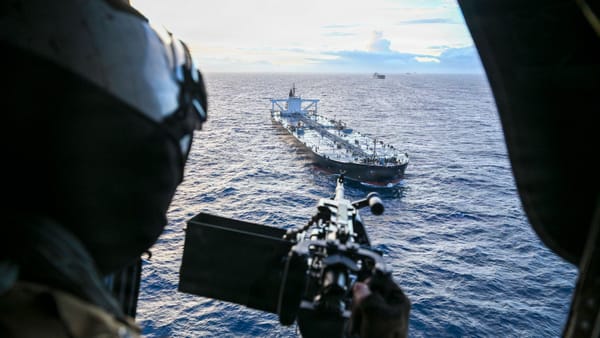
Meanwhile, on the same day, the US imposed sanctions on a Chinese oil terminal as part of a broader set of new measures against Iran. These sanctions are intended to deter ships that pay "tolls" to the Iranian government, which contributes to its oil revenue and supports its military activities. This dual approach by the EU and US illustrates a coordinated effort to disrupt financial channels that facilitate adversarial actions.
The strategic calculus
The implications of these sanctions are profound, as they reflect a strategic alignment between Western powers in combating not only Russian aggression but also the influence of Iran and its allies. The EU's focus on cryptocurrency channels suggests an acknowledgment of the evolving nature of financial transactions that can bypass traditional banking systems. This raises the question of how effectively sanctions can be enforced in a digital economy.
- EU's focus: Targeting crypto channels and third-country evasion.
- US's focus: Disrupting Iranian financial networks through sanctions on a Chinese oil terminal.
- Strategic partnership: Aligning EU and US efforts to enhance sanctions effectiveness.
Analysts will be watching how these sanctions impact the operations of entities involved in undermining international norms. The efficacy of these measures will depend significantly on the willingness of other nations to comply with or challenge these actions.
Industry fallout
The introduction of these sanctions could have wide-ranging effects on global shipping and energy markets. The US sanctions on the Chinese oil terminal could disrupt supply chains and increase energy prices, particularly if shipping companies perceive a heightened risk of penalties. On the other hand, the EU's expanded sanctions may lead to increased scrutiny of cryptocurrency transactions, impacting the operations of exchanges and financial institutions involved in digital currencies.
Overall, both actions signify a concerted effort by the West to tighten the noose around financial networks that support adversaries. The broader implication is a potential shift in how nations engage in economic warfare, with an increased focus on non-traditional financial instruments.
Sources: Defence24, Thedefensepost, Al Jazeera, The Times of Israel, Reuters, and CryptoPotato