Germany's Long-Range Strike Capability Under Threat from US Drawdown

US Drawdown Impacts German Defense Plans
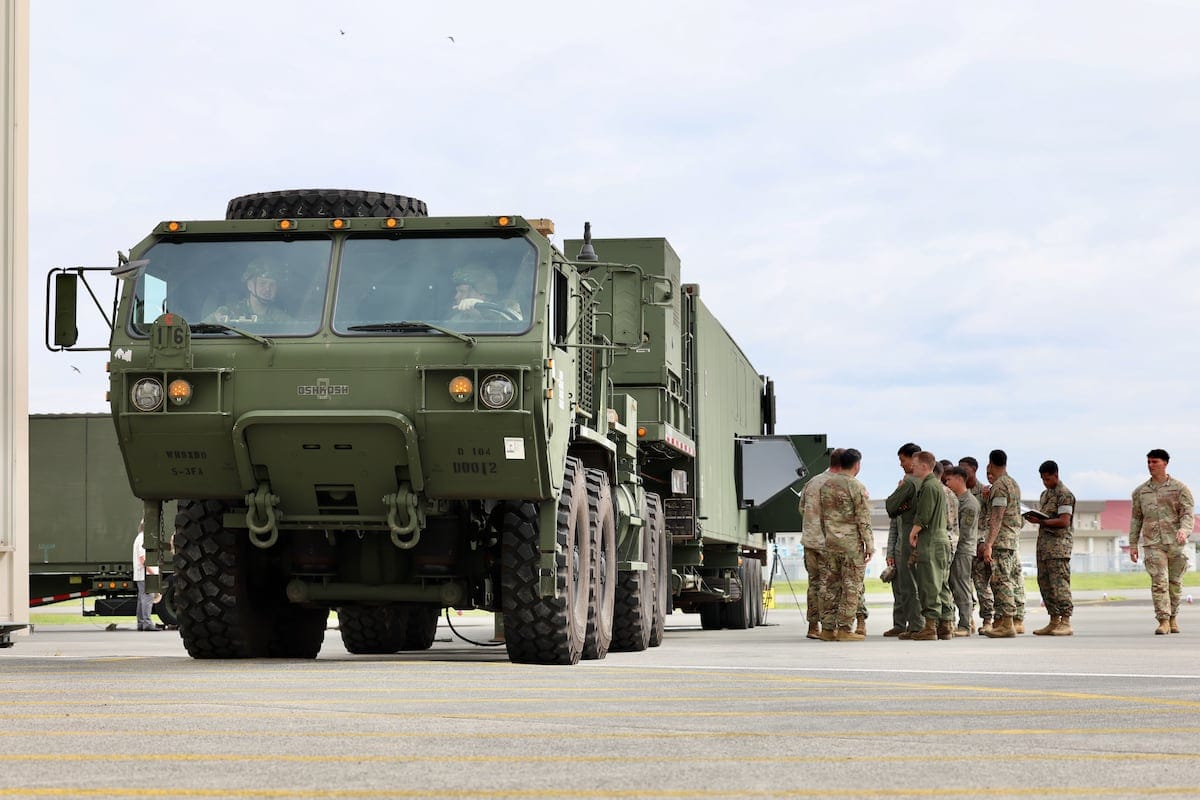
Germany's defense strategy faces significant challenges as the country grapples with a long-range strike capability gap attributed to the planned US military drawdown. The German defense minister has expressed concerns about Berlin's two potential pathways to acquire Typhon launchers, which include integration through a U.S. Army formation or a direct purchase for the Bundeswehr. Neither of these options is currently materializing, raising alarms about the future of Germany's military readiness.
The situation highlights a broader issue within NATO and European defense frameworks, where reliance on US military support has been a cornerstone of security strategy. As the US reassesses its global military commitments, European allies, particularly Germany, must reevaluate their defense procurement strategies and operational capabilities. This presents a critical moment for Germany to consider alternative solutions to enhance its long-range strike capabilities independently, especially in light of evolving security threats.
Why It Matters
The implications of Germany's struggle to secure Typhon launchers are profound. A failure to develop these capabilities could undermine NATO's collective defense posture and Germany's role within it. This raises the question of how Germany will adapt to ensure its military remains capable and responsive in an increasingly complex security environment. Analysts will be watching closely to see if Germany accelerates its defense spending or explores new partnerships to bridge this crucial gap in capabilities.
Sources: Defensenews, Defense News, politico.eu, AOL.com, and Reuters