Innovations in Uncrewed Systems and AI-Enabled Warfare: A NATO Perspective

The landscape of modern warfare is rapidly evolving, marked by significant advancements in uncrewed systems and artificial intelligence capabilities. Recent developments from the U.S. Army, UK Army, and industry leaders like Elbit Systems highlight a transformative approach to combat operations, particularly within the NATO framework. This briefing synthesizes these advancements and their implications for future military operations.
What Happened
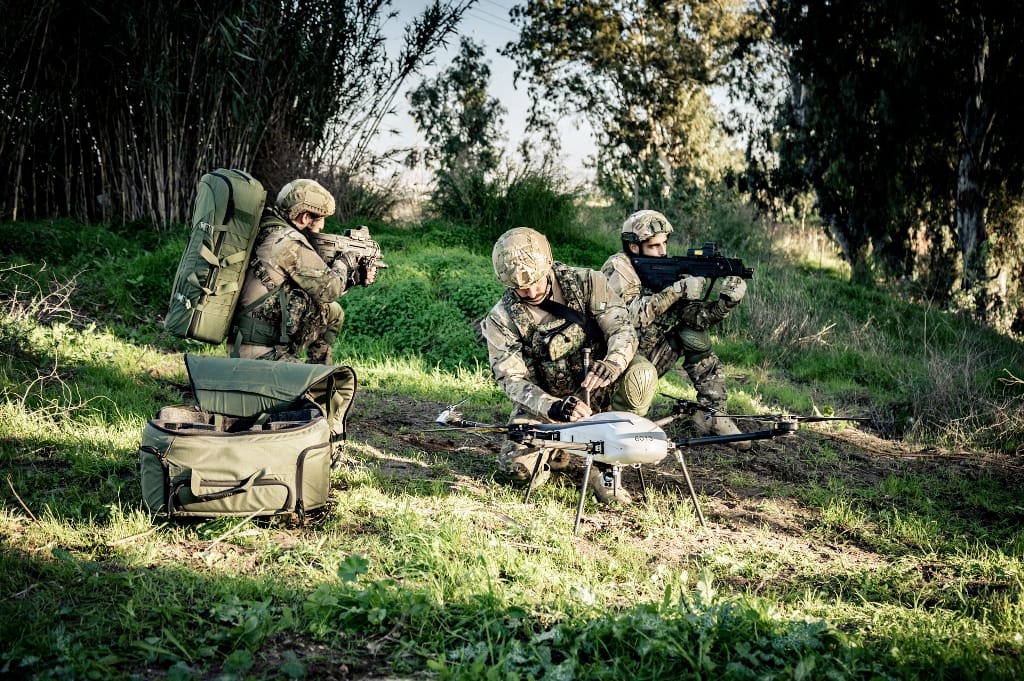
Elbit Systems Ltd. announced that its FUSE will supply the THOR Group 2 Uncrewed Aircraft System (UAS) to the U.S. Army, enhancing the Army's operational capabilities with advanced unmanned technology. This partnership underscores the growing reliance on uncrewed systems in combat scenarios.
In parallel, the British Army has unveiled a networked combat force that integrates tanks, drones, and robotics, reshaping the approach to high-intensity warfare within NATO. This initiative aims to create a cohesive combat environment where human operators and autonomous systems work in tandem.
Additionally, the U.S. Army has launched Sword 26, a significant exercise testing NATO warfighting capabilities across Europe’s Eastern Flank. This operation emphasizes the integration of AI and multi-domain operations, showcasing rapid response strategies that align with NATO's evolving defense posture.
The Strategic Calculus
These developments signify a strategic shift towards enhanced operational readiness and interoperability among NATO allies. The integration of AI-enabled systems and uncrewed platforms presents several strategic advantages:
- Increased Efficiency: Uncrewed systems reduce the risk to personnel while allowing for rapid reconnaissance and intelligence gathering.
- Greater Coordination: Networked systems facilitate real-time communication and decision-making among allied forces.
- Adaptability in High-Intensity Conflict: The ability to deploy diverse platforms, including autonomous vehicles and drones, enhances combat flexibility.
This shift raises critical questions regarding defense budgeting, training, and the need for updated operational doctrines to fully leverage these technological advancements.
What Comes Next
As NATO adapts to these innovations, analysts will be closely monitoring several key areas:
- The effectiveness of integration between human and uncrewed systems in live combat scenarios.
- How quickly NATO forces can adapt their training programs to include new technologies like those demonstrated in Sword 26.
- The potential for expanded partnerships with technology providers, similar to the collaboration seen between Elbit Systems and the U.S. Army.
These advancements collectively suggest a future where warfare is increasingly characterized by technological integration and automation, necessitating ongoing assessment and adaptation by defense professionals across NATO.
Sources: Edrmagazine, Armyrecognition, thecanary.co, Military Embedded Systems, Center for European Policy Analysis (CEPA), and Defense Update