Kratos Awarded Javelin Upgrades; US and Ukraine Modernize S-300 Missiles

The evolving landscape of military technology and defense readiness is underscored by two significant developments. First, the U.S. Army has selected Kratos to enhance the FGM-148 Javelin missile's infrared seeker, while simultaneously, the U.S. and Ukraine are collaborating to modernize S-300 surface-to-air missiles. These initiatives reflect lessons learned from recent conflicts and are vital for sustaining operational effectiveness.
Javelin Missile Upgrade by Kratos
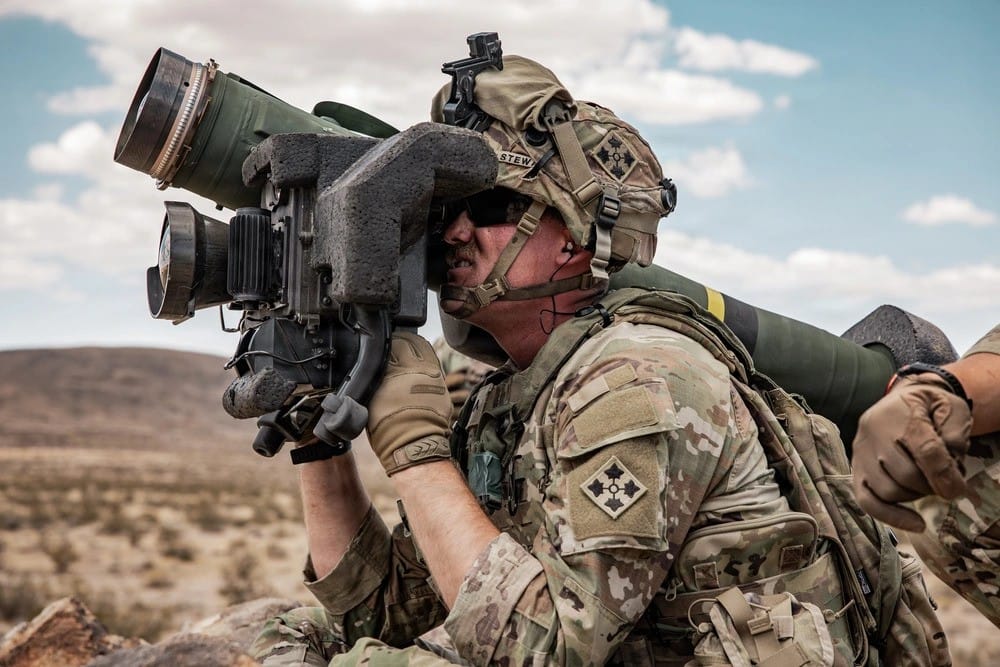
The U.S. Army awarded Kratos a contract specifically aimed at developing and testing an upgraded infrared seeker for the Javelin missile. This upgrade addresses:
- Guidance section component obsolescence
- Support for scaling industrial production at Kratos' Advanced Manufacturing Center in Birmingham, Alabama
This next-generation technology aims to enhance the Javelin's ability to detect, track, and engage threats on the battlefield, thereby improving its overall effectiveness as a tank killer. The successful integration of this upgraded seeker may significantly impact the Javelin's performance in future engagements.
Modernizing S-300 Missiles in Partnership with Ukraine
In parallel, the U.S. and Ukraine are undertaking a joint modernization program for S-300 missiles, set to deliver between 100 to 300 interceptors annually by late 2026. This initiative is critical for several reasons:
- It reactivates Ukrainian air defense batteries
- It preserves U.S. Patriot missile stockpiles in the face of escalating threats from cruise missiles and aircraft
This collaboration not only strengthens Ukraine's defensive posture but also alleviates concerns over the global shortages of Patriot missiles, as highlighted by ongoing operational demands.
Impacts of Ongoing Conflicts on U.S. Readiness
Amid these upgrades, the U.S. faces challenges regarding its missile stockpiles, particularly as operations against Iran deplete reserves of critical systems, including:
- Patriot missiles
- THAAD missiles
- Tomahawk missiles
The sustained conflict in the Middle East raises questions about U.S. readiness for potential future major conflicts, as these systems are essential for deterrence and defense strategies. Reports indicate that the depletion of such resources could hinder the ability to respond effectively to global threats.
As defense professionals monitor these developments, the implications for military preparedness and international partnerships in defense technology are becoming increasingly salient. The outcomes of these initiatives will likely shape the next phase of U.S. and allied military capabilities.
Sources: Armyrecognition, Thedefensepost, and Army Recognition
Edited by Daniel Vazdar, Editor. How DEFCROS News reports, sources and corrects.