Panama Canal Maintains Neutrality Amid Regional Conflict

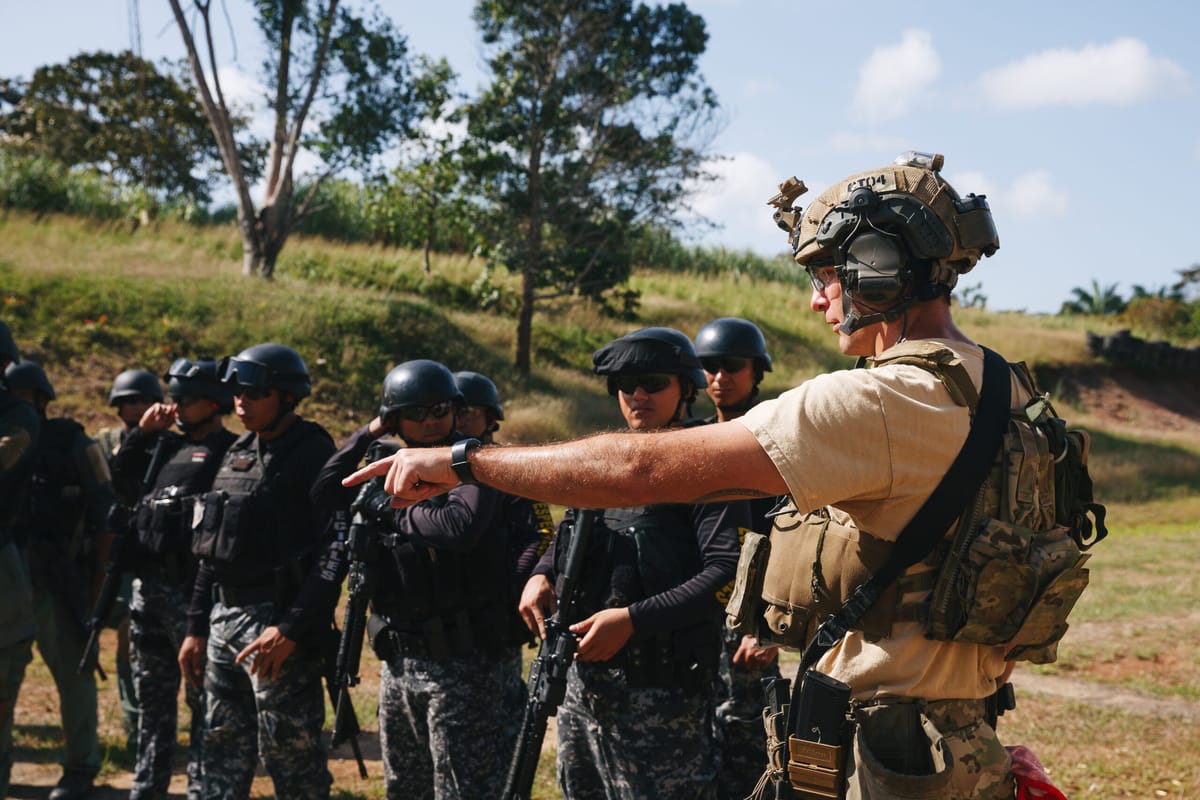
Panama's Commitment to Maritime Stability
On Tuesday, Panama reaffirmed the "neutrality" of its canal in light of heightened tensions stemming from the ongoing war in the Middle East. This statement comes as the Strait of Hormuz faces a blockade, significantly affecting maritime transit routes critical for global trade. The reaffirmation highlights Panama's intention to ensure the uninterrupted flow of commercial shipping through this vital artery.
The Panama Canal serves as a crucial transit point for vessels navigating between the Atlantic and Pacific Oceans. Amidst the backdrop of potential disruptions caused by the conflict in the Middle East, Panama's emphasis on neutrality is particularly significant. Such a stance aims to reassure international shipping companies and countries reliant on these maritime routes that the canal will remain open and operational, despite escalating regional tensions.
Implications for Global Trade and Security
Maintaining the canal's neutrality has implications beyond regional stability; it underscores the importance of Panama's role in global maritime logistics. As the Strait of Hormuz is a critical chokepoint for oil shipments, any extended blockade could lead to increased shipping costs and delays, reverberating through global markets. Panama's commitment to preserving maritime transit routes may help mitigate some of these potential disruptions.
This raises the question of how other nations involved in the conflict may respond to Panama's stance. Analysts will be watching closely to see if this position influences broader geopolitical dynamics in the region. Additionally, the ability of the Panama Canal to maintain operations during times of conflict could set a precedent for other nations with strategic waterways, further solidifying Panama's role as a key player in maritime security.
Sources: Thedefensepost, The Defense Post, Türkiye Today, Taipei Times, and VOI.id