Political Pressures Halts Expansion of Voting-Security Initiatives

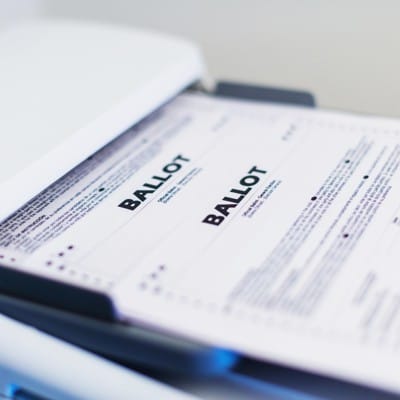
Government Pulls Back on Voting-Security Expansion
The government’s initiative to enhance voting-security measures faced a significant setback as it unexpectedly halted plans for expansion. This decision emerged amid revelations from cybersecurity executives who reported political pressures following findings that did not corroborate claims of election manipulation. The context of this development raises important questions about the integrity of electoral processes and the influence of political dynamics on security assessments.
In recent discussions, cybersecurity professionals highlighted the challenges they faced in communicating their findings. The reluctance to move forward with expanded security initiatives suggests a deeper concern regarding the politicization of cybersecurity data. The situation illustrates a critical intersection between national security priorities and the current political landscape, where the implications of cybersecurity findings can significantly influence public perception and policy direction.
This retraction from expanding voting-security efforts signals a potential vulnerability in the electoral system, especially as public trust in electoral integrity remains tenuous. For stakeholders in the cybersecurity realm, this development complicates the path forward for ensuring robust protective measures in voting systems. The implications extend beyond immediate security concerns, as they could affect the broader discourse around election integrity and public confidence in democratic processes.
Sources: Defenseone, The Christian Science Monitor, The Hill, GovExec.com, and Brennan Center for Justice
Edited by Daniel Vazdar, Editor. How DEFCROS News reports, sources and corrects.