Russian Shadow Airlines Leverage Algeria for Covert Operations

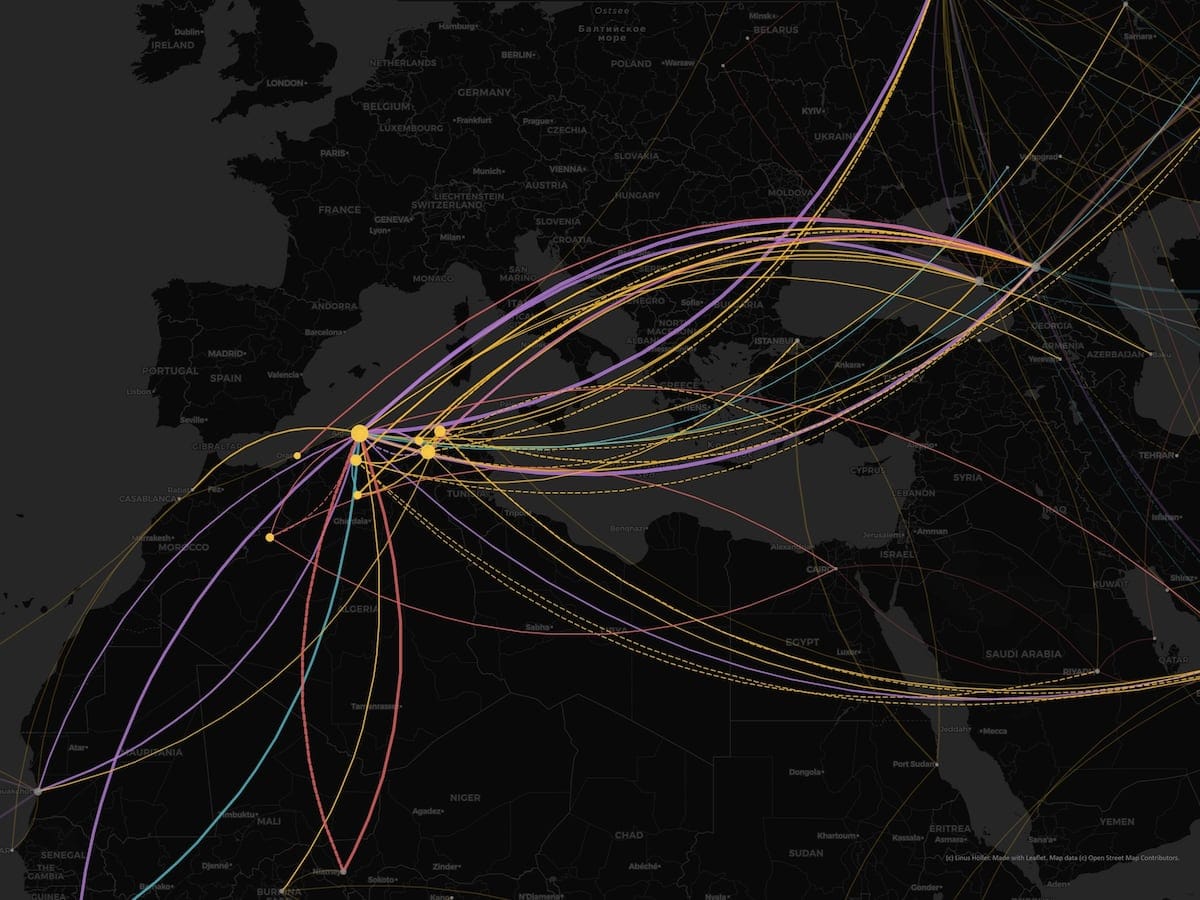
Background on Russian Military Engagement in Algeria
Algeria has emerged as a significant client for Russian arms, especially during a period when Moscow has experienced a downturn in its military-export business following the invasion of Ukraine. This development indicates a strategic pivot for Russia as it seeks to bolster its military partnerships amid international sanctions and isolation. The use of Algerian territory by Russian shadow airlines for covert missions highlights an evolving dynamic in regional security and military cooperation.
Implications of Covert Operations
The operations conducted by these Russian shadow airlines from Algeria raise concerns regarding the potential increase in military capabilities within North Africa. Such activities could destabilize the already fragile regional security environment, especially in light of ongoing conflicts and the presence of various armed groups. Furthermore, Algeria's role as a base for these operations could signal a deeper alliance between Algeria and Russia, enhancing Moscow's influence in the region and potentially countering Western interests.
Moreover, the secretive nature of these missions suggests a reliance on non-traditional military logistics, which could complicate intelligence-gathering efforts by other nations. The strategic use of Algeria by Russia to facilitate these operations may also have implications for arms control and international security agreements, as other nations may feel compelled to respond to perceived threats posed by enhanced Russian military presence.
Why It Matters
This situation raises critical questions about the future of military cooperation between Russia and Algeria, particularly in the context of global power shifts. Analysts will be watching how the United States and its allies respond to these developments, especially regarding military aid and diplomatic engagements in North Africa. The implications are significant not only for regional stability but also for the broader geopolitical landscape, as increased Russian influence may challenge existing power structures and alliances.
Sources: Defensenews, Defense News, 19FortyFive, Euromaidan Press, and Defence Security Asia