Strategic Arms Deals Signal Strengthened Alliances in the Middle East

Recent Developments in Military Sales
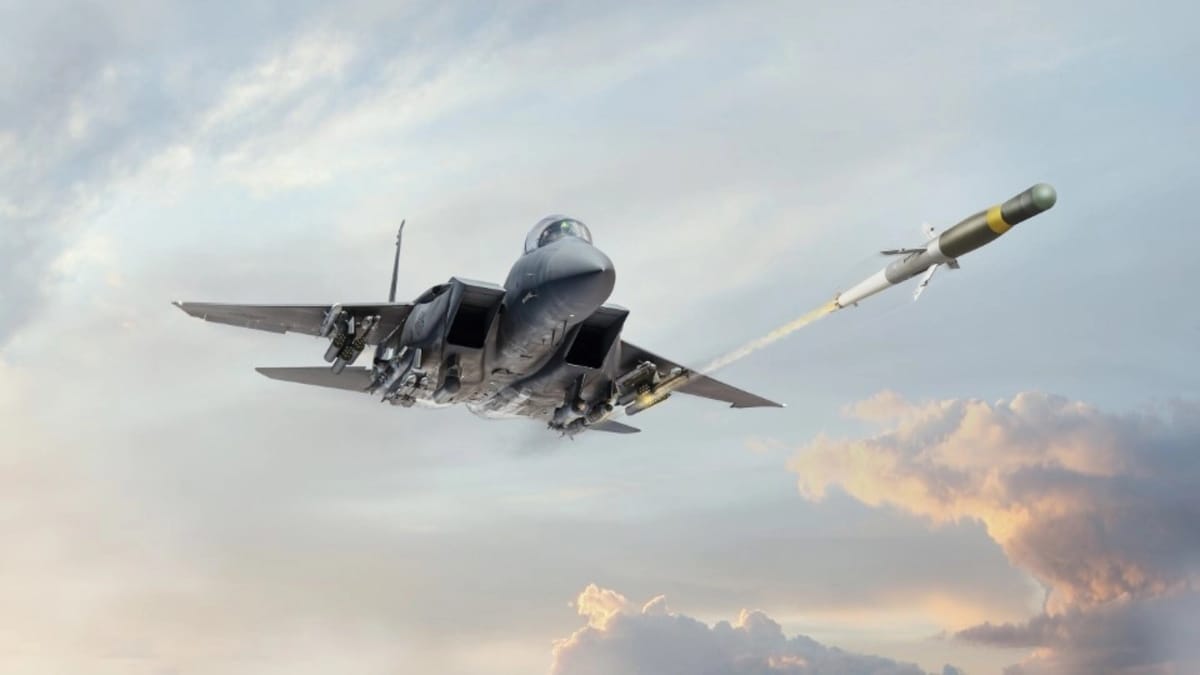
The United States has approved three separate foreign military sales of the Advanced Precision Kill Weapon System (APKWS) to Israel, Qatar, and the UAE. This approval underscores a commitment to bolster the military capabilities of these allies amidst evolving geopolitical dynamics in the region.
Additionally, Israel has approved a significant deal to acquire two combat squadrons of fighter jets from the U.S., which Israeli Prime Minister Benjamin Netanyahu stated would “reinforce” the country’s air superiority. These moves highlight the ongoing strategic partnerships between the U.S. and its allies in the Middle East.
The Strategic Calculus
The decision to provide APKWS to Israel, Qatar, and the UAE reflects a broader U.S. strategy aimed at enhancing regional security. The APKWS is a precision-guided munition designed to improve the effectiveness of air-to-ground attacks while minimizing collateral damage. This capability is particularly vital for operations against non-state actors and in urban environments.
Key points regarding these military sales include:
- The U.S. aims to strengthen deterrence against potential adversaries in the region.
- Israel's acquisition of new fighter jets represents a significant upgrade to its aerial capabilities, ensuring it maintains a tactical edge.
- The sales to Qatar and the UAE align with U.S. efforts to reinforce alliances and support counterterrorism operations.
Implications for Regional Stability
These military transactions raise several important considerations:
- Balancing Power: The enhanced military capabilities of these nations could shift the balance of power within the region, particularly in relation to Iranian influence.
- Operational Readiness: With advanced systems like APKWS and new fighter jets, these countries can improve their operational readiness and responsiveness to emerging threats.
- Regional Alliances: Strengthened military ties among the U.S., Israel, Qatar, and the UAE may foster deeper cooperation on intelligence sharing and joint operations.
Analysts will be watching how these developments impact regional dynamics, particularly in light of ongoing conflicts and the evolving threat landscape in the Middle East. The implications of these military sales extend beyond immediate tactical advantages, potentially influencing broader strategic alignments.
Sources: Thedefensepost, The Times of Israel, Al Jazeera, Reuters, and ynetnews