Strengthening Air Defense: U.S. Initiatives in Kuwait and NATO's Eastern Flank

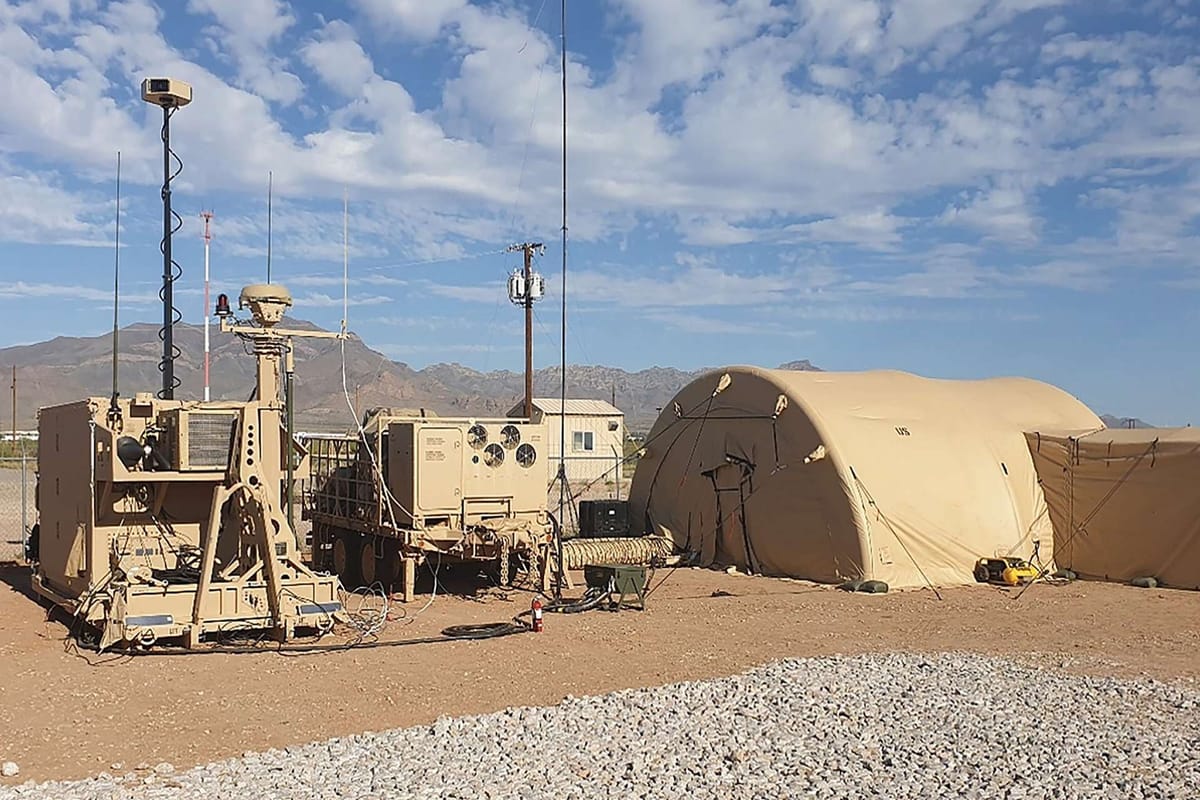
The United States is actively enhancing its air defense capabilities both regionally and within NATO, as evidenced by two recent developments. A significant $2.5 billion sale of the Integrated Battle Command System (IBCS) to Kuwait aims to bolster the nation’s defenses against missile and drone threats. Concurrently, U.S. and U.K. forces engaged in the FlyTrap 5.0 counter-drone exercise in Lithuania, shaping NATO’s air defense doctrine on its eastern flank. These initiatives underline a strategic focus on integrated defense systems and counter-drone operations amid evolving threats in the region.
What happened
The U.S. Department of Defense has approved a substantial $2.5 billion deal to supply Kuwait with the IBCS. This advanced system is designed to interlink Patriot missile systems, creating a more robust and coordinated defense against various aerial threats, including missiles and drones. The approval signifies a commitment to enhancing Kuwait's defensive capabilities in a region marked by increasing hostility and technological advancements in warfare.
In a separate but related development, U.S. and U.K. military forces conducted the FlyTrap 5.0 exercise in Lithuania. This exercise focused on counter-drone strategies, an area of growing concern for NATO, particularly on the eastern flank where threats from unmanned aerial vehicles (UAVs) are on the rise. The collaborative effort aims to refine NATO’s air defense doctrine, addressing the challenges posed by drone swarms and enhancing operational readiness among allied forces.
The strategic calculus
These two initiatives reflect a broader shift in military strategy towards integrated air defense systems and counter-drone capabilities. Key factors include:
- Increased Drone Threats: The proliferation of drone technology poses significant risks to traditional air defense systems, necessitating new strategies.
- Regional Stability: Strengthening Kuwait's defenses is part of a wider U.S. strategy to maintain stability in the Gulf region amidst geopolitical tensions.
- NATO Readiness: The FlyTrap 5.0 exercise is crucial for preparing NATO forces to respond effectively to aerial threats, ensuring interoperability among members.
The implications of these developments are significant for both U.S. foreign policy and defense strategy. As threats evolve, so too must the frameworks and systems in place to counter them. The focus on networked defense systems like IBCS and counter-drone operations is expected to shape future military engagements and strategic partnerships in the region.
What comes next
The approval of the IBCS sale to Kuwait and the outcomes of the FlyTrap 5.0 exercise will likely influence future defense spending and military cooperation within the region and NATO. Analysts will be watching closely for:
- Potential additional arms deals with Gulf states as they seek to modernize their military capabilities.
- Follow-up NATO exercises aimed at further developing counter-drone tactics and integrated defense systems.
- Reactions from regional adversaries to increased U.S. military presence and capabilities in the Gulf and Eastern Europe.
As these developments unfold, the U.S. commitment to enhancing air defense across strategic regions underscores a proactive approach to emerging threats in the global security landscape.
Sources: Armyrecognition, Army Recognition, Defense Security Monitor, Defensemirror.com, and GovCon Wire