Tactical Shifts in Defense: Israel's Iron Dome Deployment and Estonia's Investment in Drones

The recent deployment of Israel's Iron Dome battery in the United Arab Emirates marks a significant escalation in military capabilities within the region. This move, noted as its first wartime use abroad, highlights Israel's proactive stance against Iranian missile and drone threats. Concurrently, Estonia's decision to reallocate funds for enhanced drone and air defense systems reflects a strategic pivot informed by lessons from Russia's invasion of Ukraine. Together, these developments illustrate a broader trend of nations adapting their military strategies in response to emerging threats.
What Happened
Israel has successfully deployed its Iron Dome system to the UAE, where it has engaged in the interception of Iranian missiles and drones. This operational use signifies not only Israel's commitment to regional security but also a willingness to extend its defense capabilities beyond its borders. The Iron Dome's success in this context underscores its effectiveness as a defensive asset against aerial threats.
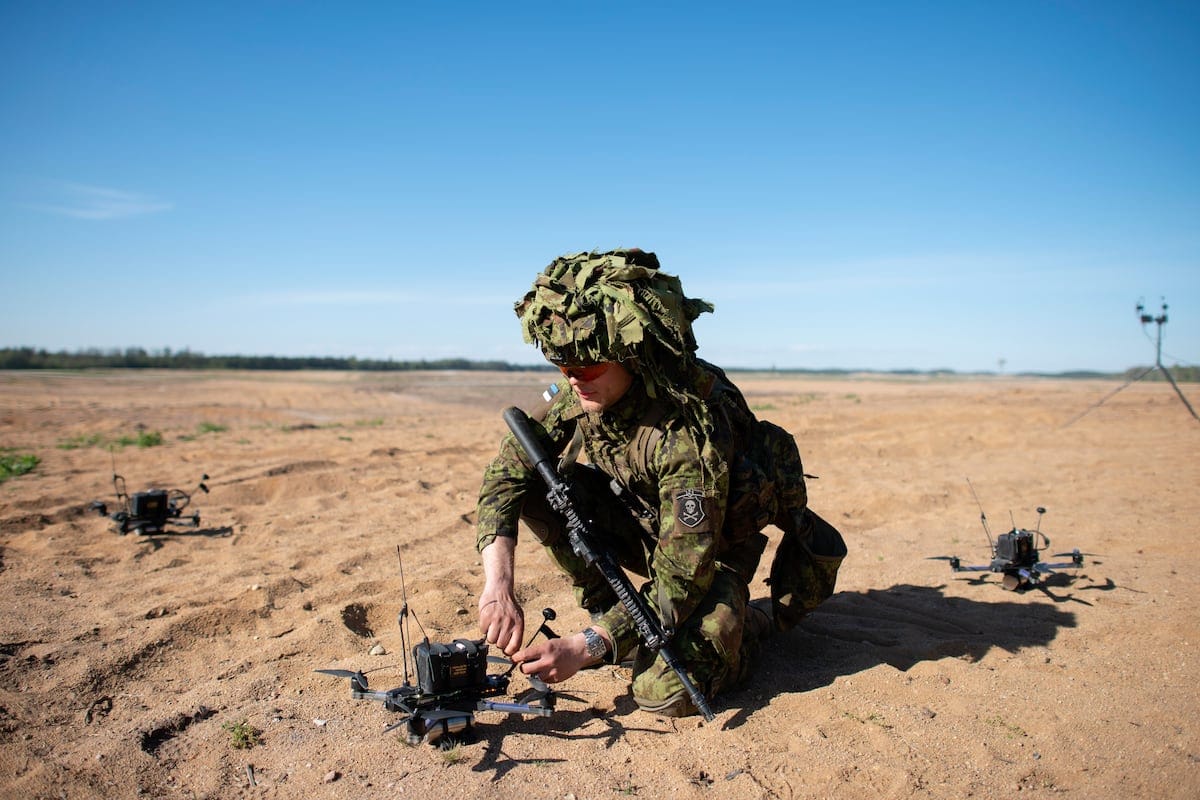
In a separate but relevant development, Estonia's defense minister announced a strategic shift in funding priorities. The country is redirecting resources initially allocated for combat vehicles towards acquiring more drones and air defense systems. This decision is heavily influenced by the recent military conflicts in Ukraine, which have exposed vulnerabilities in traditional military assets against modern warfare tactics.
The Strategic Calculus
These two developments share a common thread: the necessity for nations to adapt to evolving military landscapes characterized by asymmetric threats. The implications are multifaceted:
- Regional security dynamics: Israel's deployment of the Iron Dome could lead to increased tensions with Iran, potentially prompting further military posturing in the Gulf region.
- Shift in defense priorities: Estonia's reallocation of funds to drones and air defenses signals a broader recognition among European states of the need for modernized military capabilities to counter hybrid threats.
- Lessons from conflict: Both Israel's actions and Estonia's funding decisions are directly informed by recent conflicts, emphasizing the importance of agility in defense planning.
As countries reassess their military strategies, the focus on advanced technologies such as drones and missile defense systems is likely to intensify. This trend indicates a pivot towards capabilities that offer increased flexibility and responsiveness in the face of unpredictable threats.
What Comes Next
Looking ahead, analysts will be closely monitoring several key factors:
- Will Israel's Iron Dome deployment lead to similar actions by other nations in the region seeking to bolster their defenses against Iranian aggression?
- How will Estonia's investment in drones and air defenses influence other NATO members, particularly those situated near potential flashpoints?
- What further developments in military technology will emerge as nations strive to stay ahead of evolving threats?
These questions highlight the ongoing evolution in defense strategies globally. As nations continue to learn from recent conflicts, the emphasis on innovative and adaptive military solutions will likely shape the future landscape of global security.
Sources: Armyrecognition, Defensenews, UA.NEWS, Defense Security Monitor, Financial Times, and The Defense Post