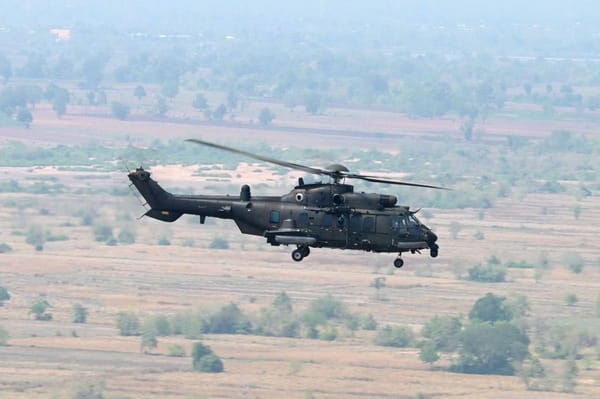
U.S. Air Defenses Intercept Iranian Missiles Amid Iran-China MANPADS Deal

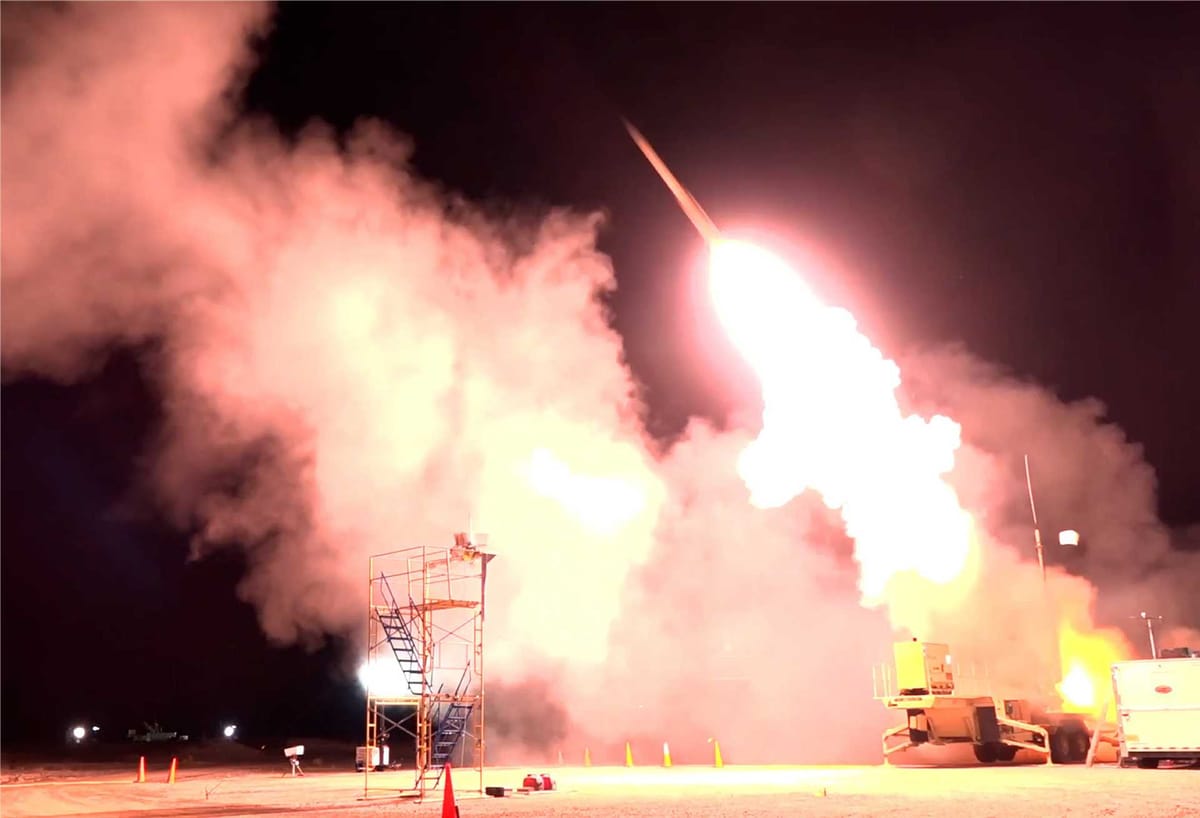
The recent escalation of hostilities between the United States and Iran has highlighted the ongoing challenges in regional security, particularly regarding missile threats. In a significant event, Iran's ballistic missile attack targeting U.S. forces was completely thwarted, as U.S. air and missile defenses successfully intercepted every incoming missile. This incident underscores the operational effectiveness of U.S. defense systems in countering such threats.
Iran Enhances Air Defense with Chinese MANPADS
In a strategic move to bolster its air defense capabilities, Iran has entered into a contract valued between $60 million and $70 million with China for the acquisition of 300 to 400 MANPADS. These include the Chinese QW-12 and FN-16 systems, which are designed to provide low-altitude air defense protection for critical military and energy installations. The systems possess a range of 6 kilometers and utilize passive infrared targeting technology, enhancing Iran's ability to defend against potential U.S. air strikes.
- Key Features of the QW-12 and FN-16 MANPADS:
- Range: 6 kilometers
- Targeting: Passive infrared
- Mobile deployment for rapid response
- Significance: This procurement reflects Iran's efforts to shore up defenses amid ongoing tensions with the U.S.
Jordan's Successful Interceptions of Iranian Missiles
In a related development, Jordan reported intercepting and downing five Iranian missiles amidst the resumption of hostilities between Iran and the United States. This incident further illustrates the volatility of the region and the effectiveness of missile defense systems employed by neighboring countries in countering threats from Iran.
As Iran continues to develop its military capabilities and engage in missile operations, the implications for U.S. and allied forces in the region remain significant. The recent failure of Iran's missile attack may provide a short-term sense of security; however, the ongoing procurement of advanced air defense systems from China suggests that Iran is not backing down in its strategic pursuits.
Ukraine and Raytheon Join Forces on Patriot Missile Production
Meanwhile, in a separate yet noteworthy development, Ukrainian President Volodymyr Zelenskyy announced a partnership with Raytheon on July 23, 2026, focused on joint production of Patriot missile interceptors. This initiative aims to address the critical inventory shortages resulting from sustained Russian ballistic missile strikes, highlighting the ongoing arms race and the necessity of advanced air defense systems in contemporary conflicts.
With defense strategies evolving on multiple fronts, the developments in Iran and Ukraine serve as reminders of the complex and interconnected nature of modern warfare. The integration of advanced systems and the ongoing arms deals signal a continued emphasis on missile defense capabilities as nations navigate a challenging geopolitical landscape.
Sources: Armyrecognition, Thedefensepost, reuters.com, The Times of Israel, Military Watch Magazine, and New York Post
Edited by Daniel Vazdar, Editor. How DEFCROS News reports, sources and corrects.