U.S. Air Force Advances Uncrewed Fighter Jet Capabilities While B-52 Testing Resumes

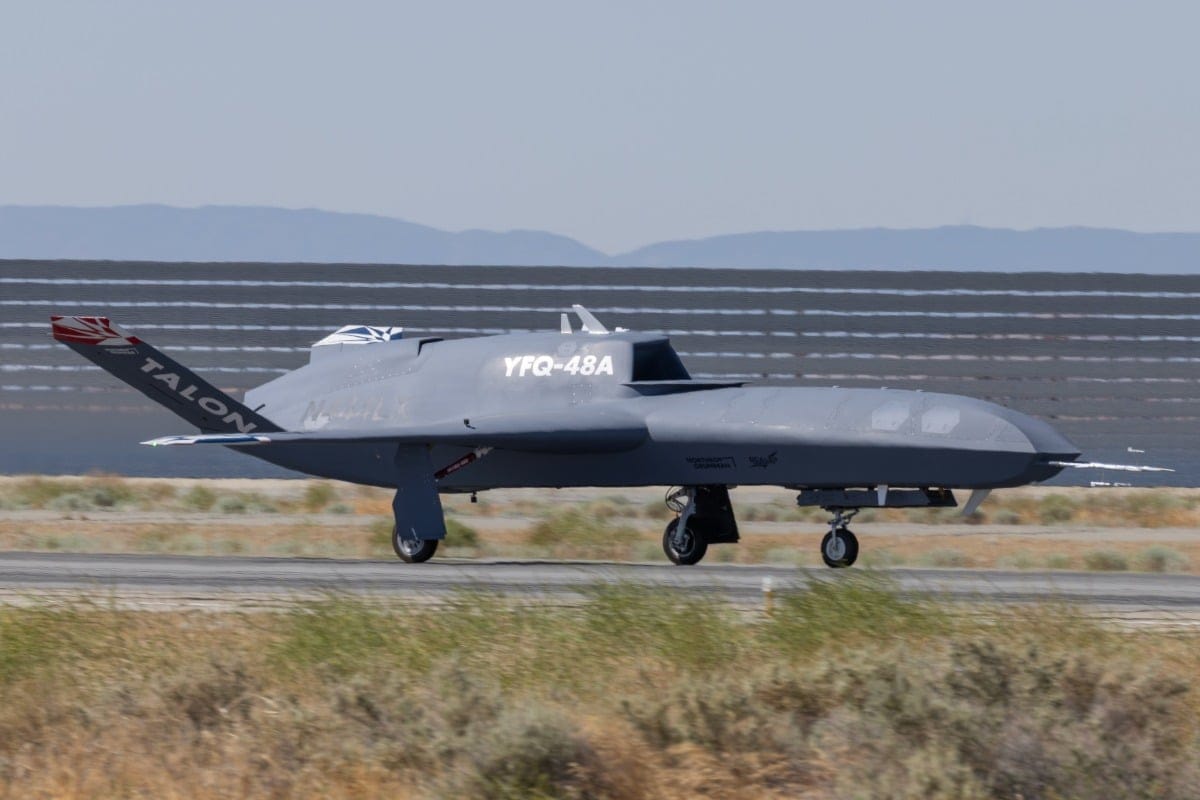
The U.S. Air Force is making significant strides in unmanned aerial capabilities, having recently conducted its first real-world combat exercise featuring an unmanned fighter jet. This exercise, held in the Nevada desert, marks a crucial step in integrating uncrewed platforms alongside human pilots, as reported by Air Force Warfare.
Real-World Combat Exercise
The unmanned fighter jet successfully transitioned from traditional test ranges to an operational environment, showcasing its potential to operate effectively in tandem with crewed aircraft. This development is part of a broader initiative to modernize the Air Force's combat capabilities and leverage advanced technology in real-time scenarios.
Seeking Industry Partners for Future Platforms
In a related effort, the U.S. Department of the Air Force has issued a market research notice aimed at identifying companies capable of designing and developing the next generation of uncrewed jet aircraft, referred to as a Semi-Autonomous Collaborative Platform. This initiative seeks to:
- Design and prototype advanced unmanned systems
- Manufacture and field these systems for operational use
- Enhance interoperability with existing air assets
The focus on semi-autonomous platforms indicates a strategic shift towards integrating more intelligent systems into the Air Force's operational framework, potentially transforming air combat dynamics.
B-52 Radar Testing Resumption
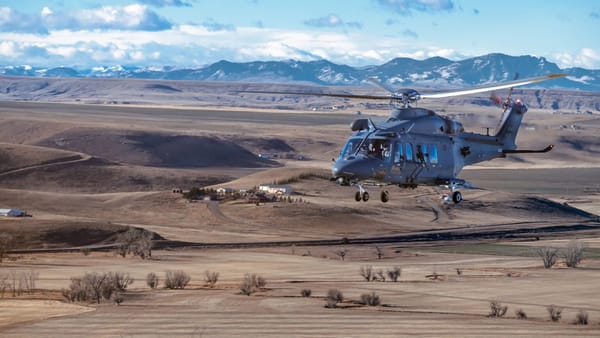
Amid these advancements, the Air Force is also resuming radar testing for its B-52 bombers following a recent deadly crash. Officials have indicated a need to adjust schedules and operational plans to ensure safety and effectiveness moving forward. The decision to continue testing is critical for maintaining the bomber fleet's readiness and capabilities, especially in light of increasing global security challenges.
The juxtaposition of advancing unmanned capabilities while also ensuring the operational integrity of legacy systems like the B-52 illustrates the Air Force's commitment to a comprehensive modernization strategy. As the military navigates these developments, the integration of both uncrewed and crewed platforms will be essential in maintaining tactical advantages.
Key Takeaways:
- The U.S. Air Force is testing unmanned fighter jets in real combat scenarios.
- A market research notice has been released for future robot fighter jet development.
- B-52 radar testing is being resumed after adjustments following a crash.
Strategic Implications:
The ongoing developments reflect a dual approach to modernization—enhancing uncrewed capabilities while ensuring traditional platforms remain effective. This strategy may influence future defense investments and operational doctrines as the U.S. Air Force adapts to evolving threats.
Sources: Defence-Blog, Defenseone, TWZ, 19FortyFive, Sandboxx, and Clearance Jobs
Edited by Daniel Vazdar, Editor. How DEFCROS News reports, sources and corrects.