U.S. Army Acquires PAC-2 Patriot Missiles, South Korea Chooses Arion-SMET UGV

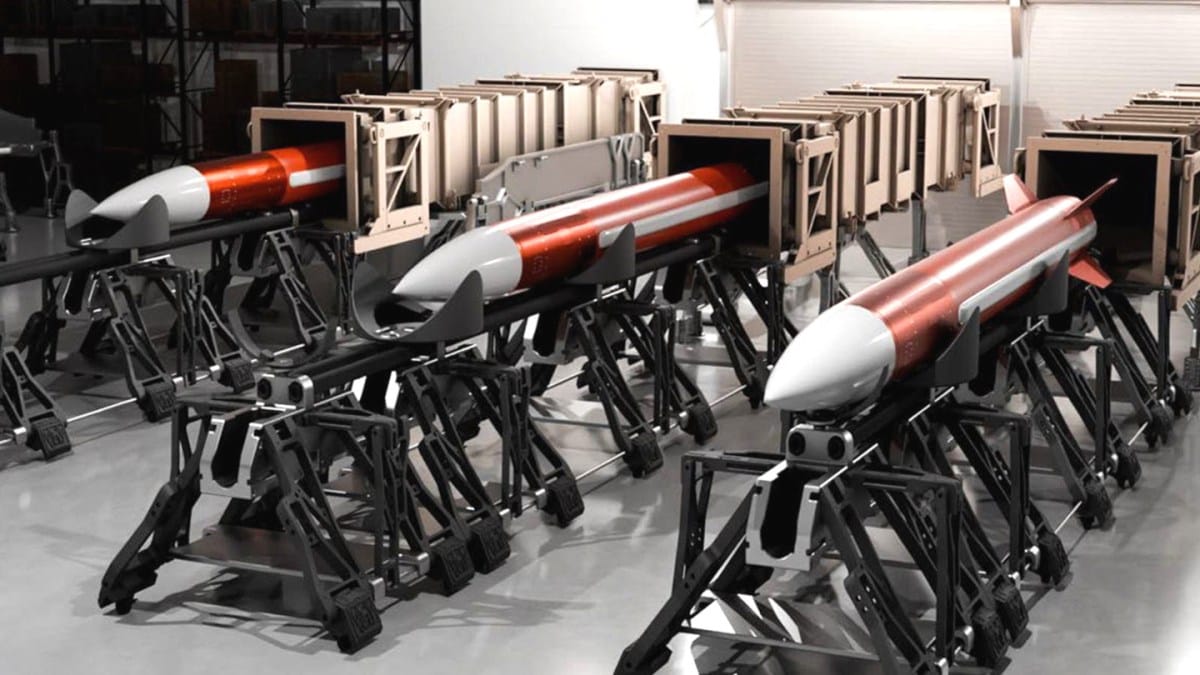
The U.S. Army has made a significant move by purchasing older PAC-2 Patriot missiles for the first time in decades. This acquisition, while not indicative of the advanced capabilities seen in the PAC-3 variants, highlights the Army's urgent need for missile defense systems amidst evolving global threats.
U.S. Army's PAC-2 Acquisition
The decision to procure PAC-2 GEM-T missiles reflects a strategic shift in the Army's approach to bolstering its air defense capabilities. Despite the PAC-2 system being less capable than its PAC-3 counterpart, the Army's urgency to enhance its missile inventory underlines the ongoing prioritization of defense readiness.
- Type of Missile: PAC-2 GEM-T
- Comparison: Less capable than PAC-3
- Strategic Need: Increased inventory of Patriots
South Korea's UGV Program Selection
In a parallel development, South Korea's Defense Acquisition Program Administration (DAPA) has awarded Hanwha Aerospace the contract for the Army's first multipurpose unmanned ground vehicle (UGV) program. The selected vehicle, the Arion-SMET, showcases South Korea's commitment to modernizing its military capabilities.
The Arion-SMET is a notable advancement in unmanned technology, featuring:
- Payload Capacity: 450 kg
- Operational Range: 100 km
- Domestic Content: 98% as part of the Army's TIGER 4.0 modernization framework
By choosing the Arion-SMET over competitors like Hyundai Rotem’s HR-Sherpa, South Korea emphasizes indigenous development and the importance of domestic production in meeting defense needs.
Both the U.S. Army's acquisition of PAC-2 missiles and South Korea's investment in domestic UGV technology illustrate a broader trend of nations seeking to enhance their defense capabilities in response to changing geopolitical dynamics.
Sources: Twz and Armyrecognition
Edited by Daniel Vazdar, Editor. How DEFCROS News reports, sources and corrects.