U.S. Army Expands Drone Capabilities with New Contracts and Testing Initiatives

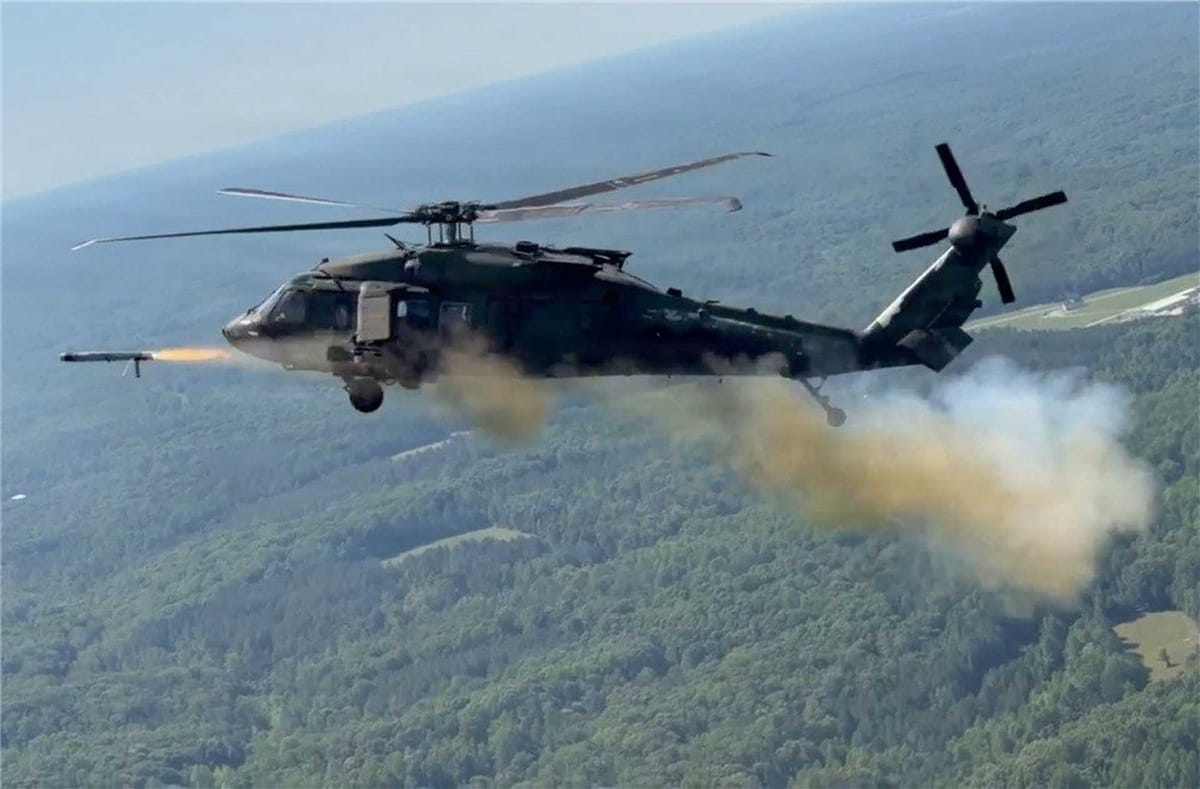
The U.S. Army is making significant strides in enhancing its operational capabilities through the introduction of advanced drone technologies and systems. Recent developments include the demonstration of the UH-60 Black Hawk's ability to launch and control multiple Air-Launched Effects drones and the awarding of contracts for new eVTOL drones.
Modernizing Drone Warfare
During Project Convergence, the U.S. Army successfully showcased the expanded combat role of the UH-60 Black Hawk helicopter. This demonstration involved launching and controlling several Air-Launched Effects drones from the helicopter, marking a notable advancement in aerial combat capabilities.
- Enhanced operational flexibility through real-time drone control
- Potential for increased situational awareness and targeting precision
The integration of drone technology into existing platforms like the Black Hawk illustrates the Army's commitment to modernizing its forces and adapting to contemporary warfare needs.
Autonomous Minefield Deployment
In another innovative effort, the U.S. Army tested the Autonomous Volcano System, designed to rapidly deploy minefields without exposing troops to danger. This system utilizes autonomous vehicles to emplace minefields during Project Convergence 2026, further demonstrating the Army's focus on minimizing risk to personnel while enhancing battlefield effectiveness.
- Autonomous deployment capabilities reduce human exposure to combat zones
- Potential for quicker and more strategic minefield placements
Strategic Investments in Drone Technology
Additionally, the U.S. Army has awarded a $117 million contract for 82 AeroVironment P550 eVTOL drones, representing the platform's first full-rate production order. This investment underscores the Army's strategy to incorporate cutting-edge drone technologies into its tactical operations, aiming to improve reconnaissance and support roles across various missions.
As these advancements unfold, they signify a broader trend of integrating advanced technology into military operations, aligning with the U.S. Army's objectives to maintain operational superiority in an increasingly complex security environment.
Sources: Armyrecognition, army.mil, DefenseScoop, autoevolution, and Defense One
Edited by Daniel Vazdar, Editor. How DEFCROS News reports, sources and corrects.