U.S. Army Expands Drone Capabilities with New Orders and AI Investments

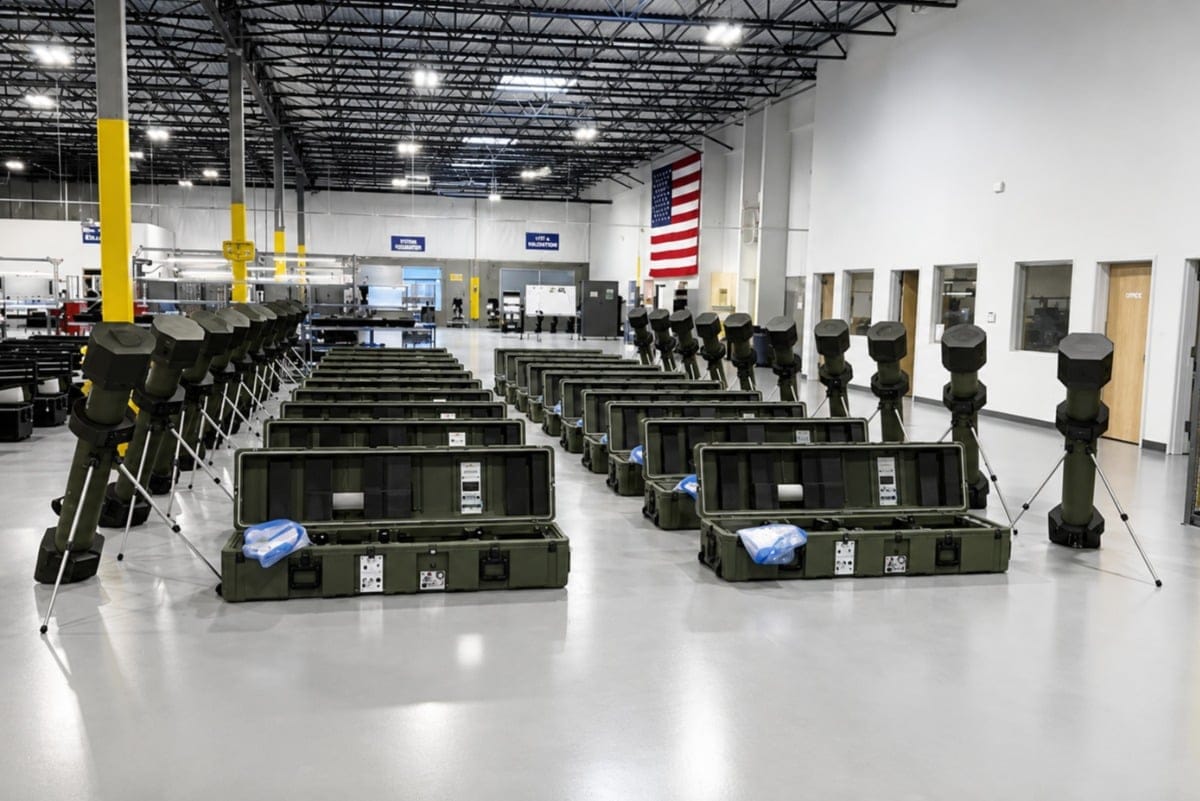
The U.S. Army is intensifying its investment in drone technology, signifying a strategic pivot towards advanced aerial capabilities. Recent actions include a significant order for Israeli-designed suicide drones and a multimillion-dollar commitment to artificial intelligence (AI) aimed at enhancing drone detection systems. These developments highlight the Army's focus on addressing emerging threats in modern warfare.
New Investment in Israeli Suicide Drones
The U.S. Army has ordered additional units of a flying bomb that can remain airborne for up to an hour. This drone is designed to surveil its target continuously and possesses the ability to abort its strike if something appears amiss. This capability is particularly crucial in minimizing collateral damage and enhancing engagement precision on the battlefield.
AI Solutions for Drone Detection
In parallel with its acquisition of suicide drones, the Army is investing heavily in AI technologies to address the challenge posed by small, fast, and cost-effective drones that evade existing radar systems. The Army's commitment to this multimillion-dollar initiative underscores its recognition that conventional detection methods are insufficient in the current operational environment.
- The AI systems will aim to improve the tracking and identification of drones that currently go undetected.
- This investment reflects a broader trend of integrating AI into military operations to maintain technological superiority.
Demand for Versatile Scout Drones
Furthermore, the U.S. Army has signaled a need for a new battalion-level scout drone. Key specifications include:
- A compact design that can fit into a backpack.
- Durability to withstand battlefield conditions.
- The capability to carry lethal payloads.
- Functionality to deliver critical supplies, such as medical aid, to wounded soldiers.
This initiative indicates the Army's commitment to enhancing operational capabilities at the battalion level, ensuring that soldiers are supported with the necessary technology to operate effectively in diverse combat scenarios.
These moves collectively illustrate the U.S. Army's strategic direction towards modernizing its drone fleet while leveraging AI to overcome current technological gaps in aerial surveillance and engagement. As these programs evolve, they may substantially shape the Army's operational effectiveness in future conflicts.
Sources: Defence-Blog, Middle East Forum, The Jerusalem Post, The Intercept, and The Guardian
Edited by Daniel Vazdar, Editor. How DEFCROS News reports, sources and corrects.