U.S. Army Orders PAC-2 GEM-T Missiles as Special Forces Options for Iran Considered

The U.S. Army is taking significant steps to bolster its defense capabilities amid evolving threats in the region, particularly concerning Iran. Recently, the Army awarded a $441.6 million contract modification to RTX for PAC-2 GEM-T Patriot interceptors, marking the first procurement of these missiles in 30 years. This order comes in the wake of depleted stocks during Operation Epic Fury, highlighting the urgency to replenish critical defense resources.
Replenishing Critical Defense Stocks
The decision to resume production of PAC-2 GEM-T missiles underscores a strategic pivot in U.S. military procurement practices. The following key points outline the implications of this procurement:
- Cost and scale: The contract modification signals a robust investment in air defense systems.
- Historical context: The 30-year hiatus in ordering this missile variant reflects a shift in defense priorities, particularly following recent military engagements.
- Strategic necessity: The replenishment of stocks aims to enhance layered defense strategies against aerial threats.
Special Forces Operations Against Iran Considered
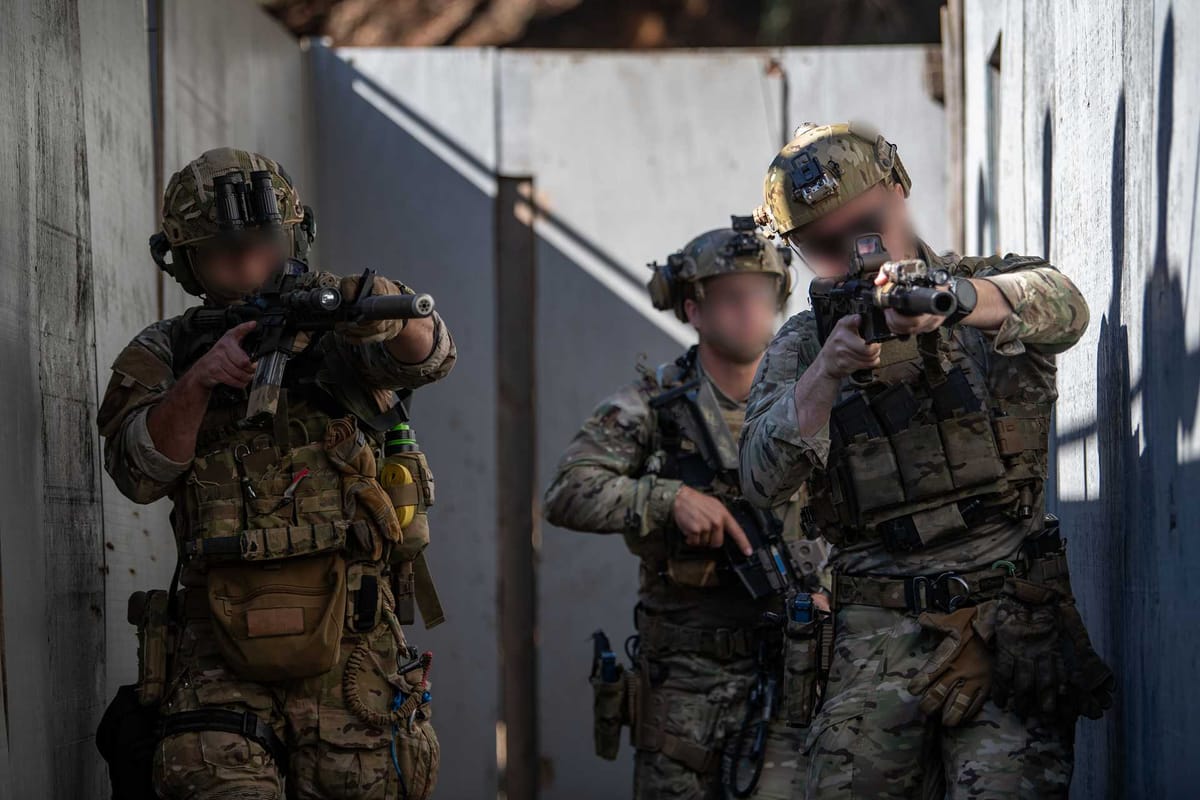
In addition to focusing on missile procurement, the U.S. has been exploring special operations capabilities to address potential threats from Iran. Reports indicate that the U.S. examined a Special Forces option involving Army Rangers and Navy SEALs aimed at recovering enriched uranium from Iran. This consideration reflects a multi-faceted approach to national security and counter-proliferation efforts.
The implications of such a mission would be profound, potentially altering the dynamics of U.S.-Iran relations. While specific operational details remain classified, the integration of elite forces like the Navy SEALs and Army Rangers suggests a commitment to decisive action should diplomatic efforts fail.
Enhancing Covert Maritime Capabilities
Further emphasizing the U.S. military's focus on readiness, the U.S. Army's 10th Special Forces Group Green Berets have recently completed combat diver training. This training is crucial for sustaining covert maritime infiltration capabilities, allowing for flexible responses to threats in maritime environments.
Collectively, these developments reflect a comprehensive strategy to bolster U.S. military readiness and effectiveness in addressing both immediate and long-term threats. As the geopolitical landscape continues to evolve, the importance of adaptive and multifaceted defense strategies will only grow.
Sources: Armyrecognition, Military Watch Magazine, The Times of India, TWZ, and Zona Militar
Edited by Daniel Vazdar, Editor. How DEFCROS News reports, sources and corrects.