U.S. Army Pursues New Strike Missile and Mobile Defense Radar Innovations

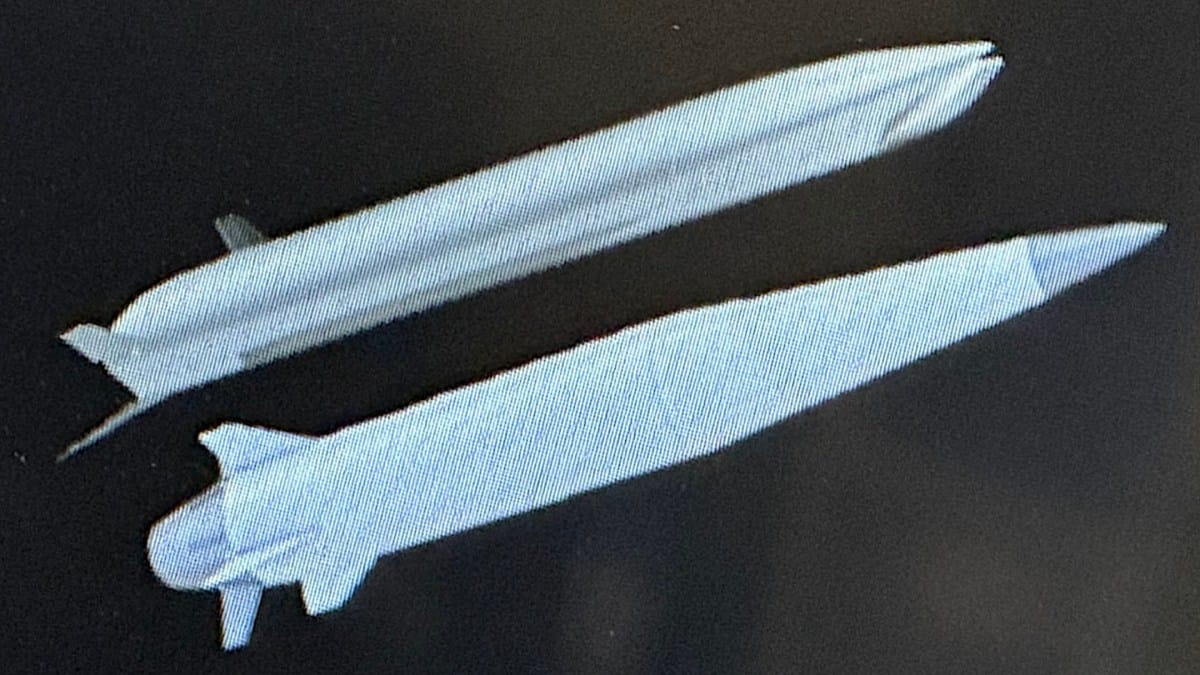
The U.S. Army is embarking on a multi-pronged initiative to enhance its missile capabilities and improve air defense. This strategic focus involves the development of a new low-cost strike missile with a range of 1,000 kilometers and the introduction of a mobile missile defense radar system, designed to counter growing threats from missiles and drones.
New Strike Missile Development
The Army's pursuit of Affordable High Speed Strike missiles aims to provide a significant advantage in modern warfare. These missiles are expected to target key enemy infrastructure, including:
- Air bases
- Air defense nodes
- Other strategic targets
By holding these assets at risk, the Army intends to disrupt enemy operations and enhance overall mission effectiveness.
Mobile Missile Defense Radar Evolution
In tandem with strike capabilities, the Army is also addressing air defense needs through the development of a successor to the AN/TPY-2 radar. The new radar system is designed to be far easier to move, a crucial factor given the increasing threats posed by missile technology and drone warfare, as evidenced by lessons learned from recent conflicts, particularly the Iran War.
This mobility is essential for survival on the modern battlefield, where stationary systems can become primary targets.
Golden Dome Initiative and Marine Innovations
The U.S. Army is not alone in its modernization efforts. It has assigned its first air defense unit to participate in the Golden Dome missile defense mission, which aims to establish an initial homeland missile defense capability by 2028. This initiative underscores the Army’s commitment to enhancing national security through advanced defensive measures.
Additionally, the U.S. Marines are testing the VXE30 Stalker, which integrates surveillance with the Neros Archer FPV drone. This pairing is designed to extend infantry precision attacks beyond traditional ground launch ranges, further emphasizing the shift towards more versatile and responsive strike capabilities.
As the Army and Marines refine these systems, their combined efforts reflect a broader strategy to adapt to the evolving landscape of modern warfare, where speed, precision, and mobility are paramount.
Sources: Twz, Armyrecognition, The Defense Post, Military Watch Magazine, and The Times of India
Edited by Daniel Vazdar, Editor. How DEFCROS News reports, sources and corrects.