US Army Enhances Pacific Defense Capabilities During Balikatan Exercise

US Military Collaboration in the Pacific
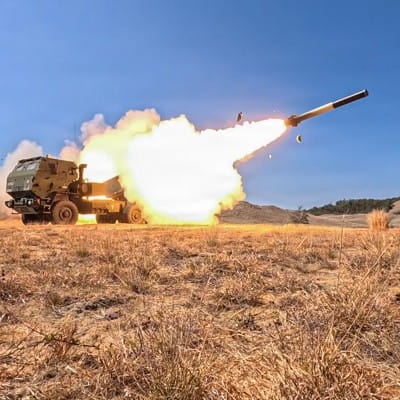
During this year's Balikatan exercise, which took place in the Philippines, the U.S. Army's 25th Infantry Division showcased several new weapons as part of its training to repel potential amphibious assaults. This exercise, a key component of U.S. military strategy in the Indo-Pacific region, underscores the growing emphasis on joint operations with allies in response to regional security challenges.
The Balikatan exercise is an annual event that brings together U.S. forces and the Armed Forces of the Philippines. This year's iteration focused on enhancing interoperability and readiness against amphibious threats. The introduction of new capabilities by the 25th Infantry Division highlights an evolving approach to combat scenarios, particularly in an era marked by increasing tensions in the South China Sea and surrounding areas. The exercises serve not only to strengthen bilateral ties but also to prepare for potential contingencies that could arise from regional aggressions.
Strategic Implications of Enhanced Readiness
The integration of advanced weaponry and tactics during the Balikatan exercise represents a proactive step in U.S. defense policy. Analysts are particularly interested in how these developments might influence future military engagements and partnerships in the Pacific. The emphasis on amphibious assault repulsion aligns with broader U.S. objectives to deter hostile actions from state and non-state actors in the region.
This focus on readiness and modernization is crucial as the U.S. seeks to maintain a strategic advantage in the Indo-Pacific. The implications of these exercises extend beyond immediate military benefits; they signal a commitment to collective security among allies and emphasize preparedness for evolving threats. As the geopolitical landscape continues to shift, the U.S. military's ability to adapt and respond effectively will be vital for maintaining stability in the region.
Sources: Defenseone, USNI News, Defense One, pacom.mil, and U.S. Department of War (.gov)