US Halts Strait of Hormuz Escorts Amid Ongoing Threats

Overview of the Situation
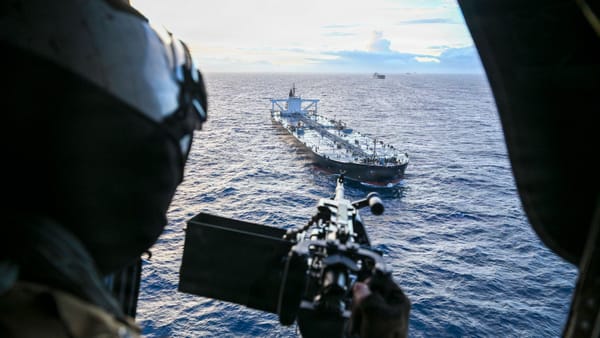
In a significant shift in maritime policy, President Trump announced the suspension of the US escorting commercial ships through the Strait of Hormuz, just a day after the operation commenced. This decision comes as tensions in the region continue to escalate, raising concerns about maritime security and the safety of commercial shipping lanes.
Context and Analysis
The Strait of Hormuz is a critical chokepoint for global oil transportation, with a substantial percentage of the world's oil passing through its waters. The US's initial decision to escort commercial vessels was likely a response to increasing threats in the region, though the quick pivot to halt these operations suggests a complex and potentially fluid situation. Analysts will be closely monitoring the implications of this pause, especially regarding the safety of shipping routes and the potential for increased aggression from regional actors.
This raises the question of how the US will balance its maritime security commitments with diplomatic efforts aimed at de-escalating tensions in the region. The quick withdrawal of naval support may signal a shift in strategy, focusing more on negotiations rather than military presence. The implications for international shipping and global oil markets could be significant, as instability in the region often leads to fluctuations in oil prices and supply chain disruptions.
Why it matters
The decision to pause escorts in the Strait of Hormuz underscores the delicate balance the US must maintain in addressing security threats while pursuing diplomatic resolutions. As the situation evolves, the defense community will need to remain vigilant regarding maritime security developments. This could influence US foreign policy and military posture in the Middle East, particularly in relation to Iran and its activities in the region.
Sources: Thedefensepost, Radio Free Europe/Radio Liberty, Stars and Stripes, DefenseScoop, and Time Magazine