US Space Force Initiates Major Contracts and Operations Amid Heightened Space Activity

In a notable series of developments, the US Space Force is making significant strides in bolstering its capabilities through new contracts and operational adjustments in response to evolving threats in space. This comes on the heels of a recent incident involving a U.S. Air Force flight that was forced to turn back due to a warning about hazardous space activity from Russia.
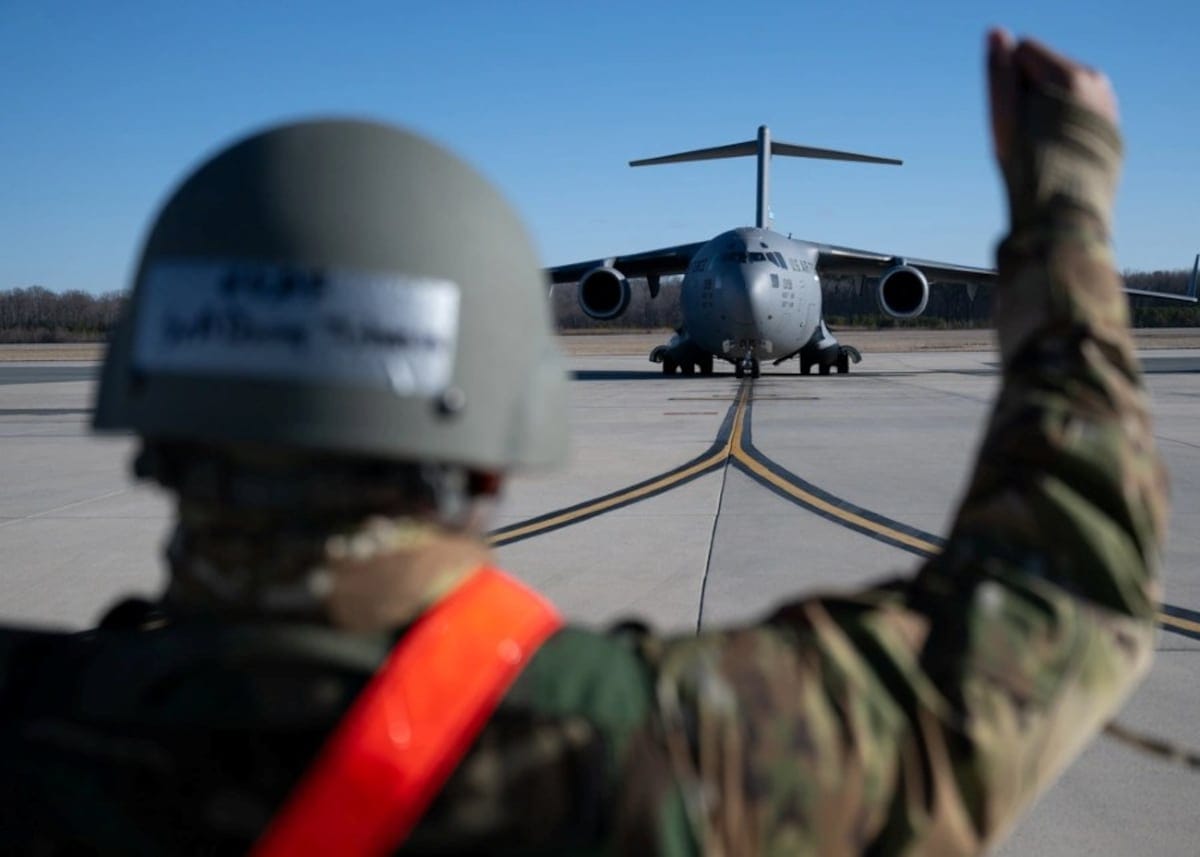
C-17A Globemaster III Returns from Antarctica
A U.S. Air Force C-17A Globemaster III, which had taken off from Christchurch, New Zealand, was compelled to return after receiving a notice regarding “potentially hazardous” space activity. This incident underscores the growing risks associated with space operations and highlights the need for heightened vigilance among US defense forces in the region.
Space Force Contracts for Connectivity and Tracking Systems
In an effort to enhance its operational capabilities, the Space Force has awarded multiple contracts recently:
- The Space Force’s acquisition arm has engaged five vendors to demonstrate connectivity solutions for its future mega-constellation, aimed at facilitating effective information sharing between different company-owned systems.
- Additionally, the Space Force has allocated $615 million to three companies for the second batch of aircraft-tracking satellites, focusing on advancing Space-Based Airborne Moving Target Indicator (SB-AMTI) capabilities.
- Moreover, a significant $981 million contract vehicle has been established to develop a complex digital environment for testing and training, involving a pool of 15 companies.
These contracts are part of a broader strategy to enhance both tracking capabilities and the infrastructure necessary for training personnel, which is crucial as the Space Force continues to evolve in response to both domestic and international challenges.
Implications for Future Operations
The recent warning to the C-17A flight illustrates the precarious nature of current geopolitical tensions in space. With Russia's activities raising alarms, the Space Force's proactive measures, including the establishment of robust testing and training infrastructures, reflect a commitment to readiness and resilience.
As these developments unfold, the emphasis on collaboration with multiple vendors not only aims to diversify technological solutions but also strengthens the US's position in the competitive landscape of space operations.
Overall, the combination of operational adjustments and substantial funding for advanced systems indicates a strong forward momentum for the US Space Force amid a backdrop of increasing complexities in global security dynamics.
Sources: Defensenews, Defensescoop, and Via Satellite
Edited by Daniel Vazdar, Editor. How DEFCROS News reports, sources and corrects.