White House Authorizes Cyber Firms for Foreign Target Strikes in Digital Warfare Shift

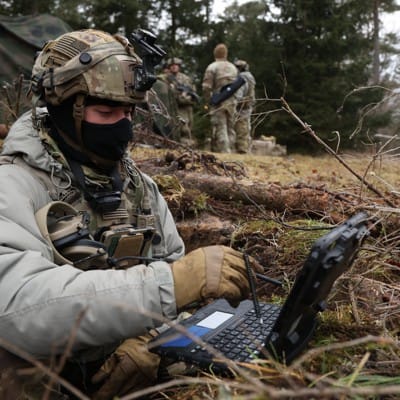
Emergence of Digital Mercenaries
The White House has revived the concept of “privateering for the digital age” by granting authorization to cyber firms to conduct operations against foreign targets. This significant policy shift reflects a growing recognition of the importance of cyber warfare in modern military strategy. The move aligns with the increasing need for robust cyber capabilities to counter threats in a landscape where traditional warfare is increasingly intertwined with technological advancements.
This development underscores a transformation in how the United States approaches cyber defense and offense. By empowering private sector entities to engage in offensive cyber operations, the administration is not only enhancing its operational capabilities but also broadening the scope of engagement in cyberspace. The integration of private firms into military strategy could lead to innovative tactics and increased agility in responding to cyber threats. Furthermore, this strategy may allow the government to circumvent bureaucratic delays often associated with traditional military operations.
The implications of this policy change are profound. First, it signals a potential shift in the balance of power within the cybersecurity landscape, as private entities may play a more prominent role in national defense. Second, this approach raises questions about accountability and oversight in military operations conducted by non-state actors. As the line between private and public sector responsibilities continues to blur, stakeholders must navigate the complexities of governance in this new arena. Ultimately, the authorization of privateering in the digital space could reshape international norms around cyber conflict and influence how states engage with one another in the cyber domain.
cyber warfare, privateering, digital mercenaries, cyber firms, foreign targets
Sources: Defenseone, The Washington Post, The Guardian, Help Net Security, and TechCrunch
Edited by Daniel Vazdar, Editor. How DEFCROS News reports, sources and corrects.